

What Are the Symptoms of High Blood Pressure? Signs You Shouldn’t Ignore
 Dr Jacob Weinstein DNP ACNP
 July 7, 2025
 0 Comments
Key Takeaways:
- High blood pressure, or hypertension, is often called the “silent killer” because it frequently shows no apparent symptoms.
- While high blood pressure can cause symptoms like headaches, dizziness, and shortness of breath, many people may not experience any noticeable signs.
- Regular monitoring and lifestyle changes are essential to managing high blood pressure and preventing complications.
High blood pressure, also known as hypertension, is often referred to as the “silent killer” because it typically doesn’t present noticeable symptoms until it reaches dangerous levels. Many people with high blood pressure may not even realize they have it, making regular monitoring and awareness of potential warning signs crucial for maintaining overall health.
At Mobile Care Health, we aim to help individuals maintain optimal heart health. Whether you’ve been diagnosed with high blood pressure or are at risk, understanding its symptoms and knowing how to manage it is crucial for long-term wellness.
What is High Blood Pressure?
High blood pressure occurs when the force of the blood against the walls of your arteries is consistently too high. This increased pressure can cause damage to your heart and blood vessels, raising the risk of serious health problems such as heart disease, stroke, kidney damage, and vision loss.
A normal blood pressure reading is typically around 120/80 mmHg. When readings consistently exceed 130/80 mmHg, the condition is classified as high blood pressure. However, high blood pressure often develops slowly and without noticeable symptoms, which is why regular monitoring is so important.
What Does High Blood Pressure Feel Like?
High blood pressure is often called the “silent killer” because it rarely causes any obvious symptoms, even when it reaches dangerously high levels. In many cases, people with high blood pressure may feel completely normal and not realize that they have the condition. However, when symptoms do occur, they may include:
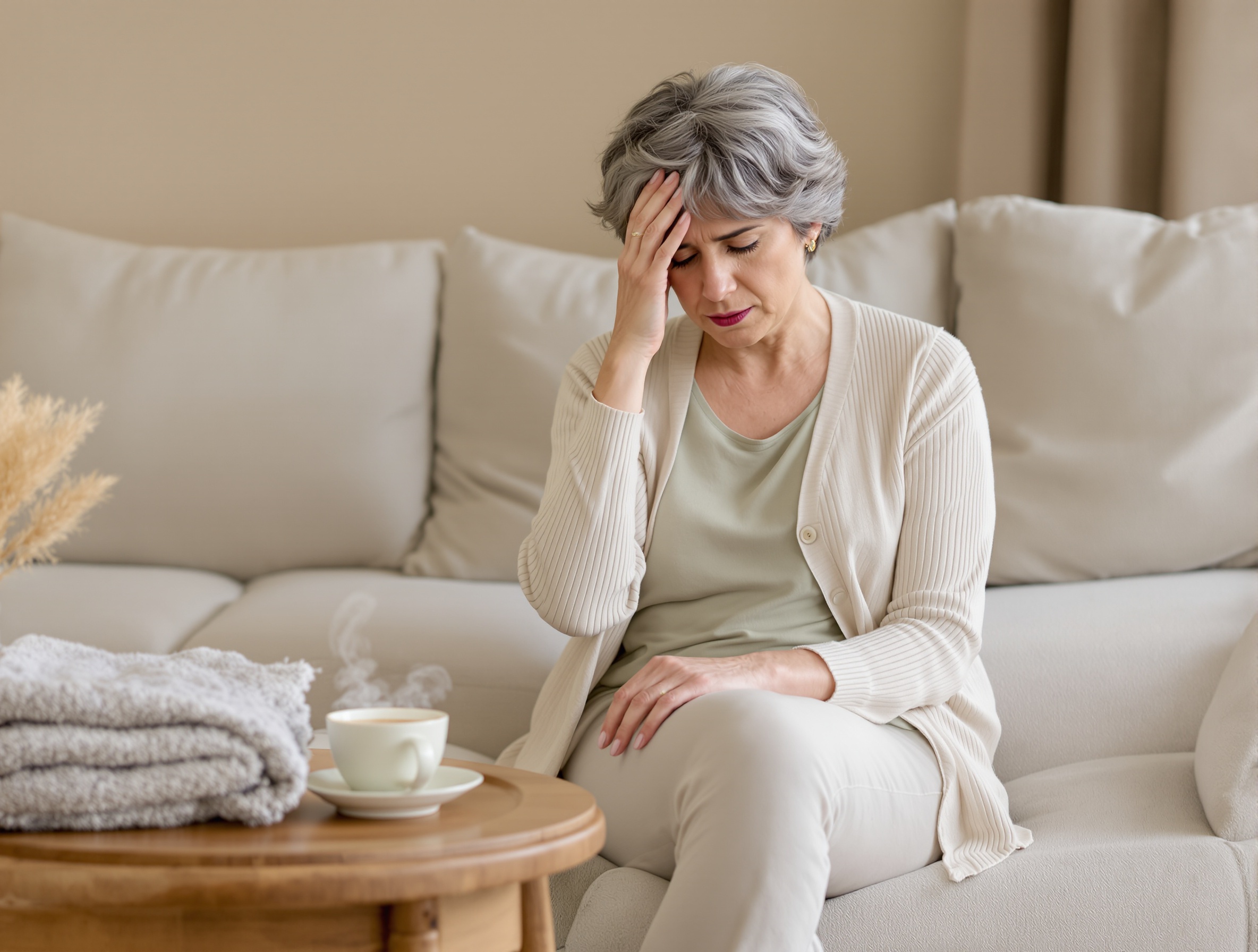
- Headaches: Headaches, especially in the morning, can be a sign of high blood pressure. These headaches may be dull and persistent or more intense. In severe cases, individuals may experience headaches that don’t seem to go away, regardless of over-the-counter pain relief.
- Dizziness or Lightheadedness: Feeling dizzy or lightheaded can be a symptom of high blood pressure, particularly if the blood pressure is very high. This sensation may occur when standing up quickly or after physical exertion.
- Shortness of Breath: High blood pressure can make the heart work harder, which may lead to shortness of breath, particularly during physical activities or even while at rest. This feeling may be accompanied by chest tightness or discomfort in some cases.
- Blurred Vision: When blood pressure is high for extended periods, it can damage blood vessels in the eyes, leading to vision problems such as blurred vision or seeing spots. In severe cases, untreated high blood pressure can cause vision loss or damage to the optic nerve.
- Chest Pain or Pressure: In more severe cases of high blood pressure, individuals may experience chest pain or a feeling of pressure in the chest. This symptom can be a warning sign of more serious conditions, such as a heart attack, and should not be ignored.
- Nosebleeds: Frequent or unexplained nosebleeds may occur in some people with high blood pressure. While nosebleeds are common and can occur for other reasons, regular or spontaneous nosebleeds can be a sign that your blood pressure is elevated.
- Fatigue or Weakness: Feeling unusually tired or weak, even after a full night’s sleep, may be linked to high blood pressure. When the body is under strain from high blood pressure, it can cause feelings of exhaustion and reduced energy levels.
- Heart Palpitations: Some individuals with high blood pressure may experience heart palpitations, which are sensations of a racing or irregular heartbeat. This can occur due to the increased strain on the heart as it works to pump blood at a higher pressure.
Why High Blood Pressure Often Goes Unnoticed
High blood pressure is frequently asymptomatic, meaning it doesn’t produce noticeable signs or symptoms in many people. In fact, about 1 in 3 adults with high blood pressure may not even know they have it. This is why regular monitoring is crucial for everyone, especially those at risk.
As the condition progresses, the symptoms may worsen or become more noticeable, but it can still be hard to detect without medical testing. This is why high blood pressure is often referred to as a “silent” condition—it can cause significant damage over time without showing clear signs.
What Causes High Blood Pressure?
Several factors can contribute to the development of high blood pressure, including:
- Genetics: A family history of high blood pressure increases your risk.
- Age: Blood pressure rises with age, making older adults more susceptible.
- Obesity: Being overweight or obese increases the workload on the heart and can raise blood pressure.
- Poor Diet: A diet high in sodium, unhealthy fats, and low potassium can contribute to high blood pressure.
- Physical Inactivity: Lack of exercise can result in higher blood pressure.
- Excessive Alcohol Consumption: Drinking too much alcohol can raise blood pressure.
- Stress: Chronic stress can contribute to elevated blood pressure over time.
- Smoking: Smoking damages blood vessels and raises blood pressure.
How to Manage and Reduce High Blood Pressure
Even if you don’t experience noticeable symptoms, managing high blood pressure is essential for preventing complications. Here are some strategies for reducing and managing high blood pressure:
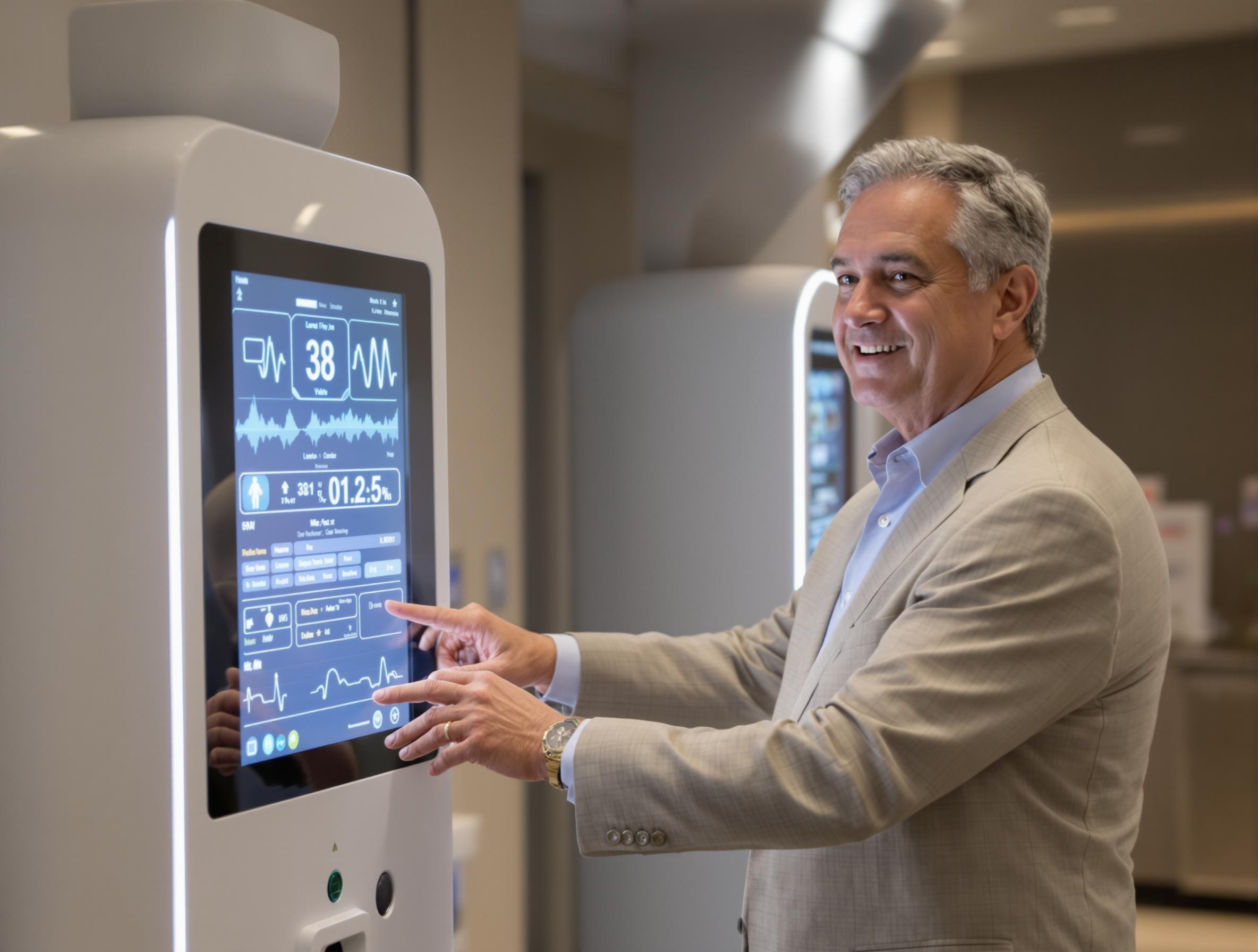
- Regular Blood Pressure Monitoring: Regular monitoring is essential if you’re concerned about high blood pressure. At-home blood pressure monitors are an easy way to keep track of your readings, or you can visit your healthcare provider for routine checks.
- Adopt a Heart-Healthy Diet: Eating a diet rich in fruits, vegetables, whole grains, lean proteins, and healthy fats can help reduce blood pressure. Limit your intake of sodium, processed foods, and unhealthy fats.
- Exercise Regularly: Physical activity strengthens your heart and helps reduce blood pressure. Aim for at least 150 minutes of moderate-intensity exercise per week.
- Manage Stress: Stress management techniques such as deep breathing, meditation, and yoga can help reduce blood pressure.
- Limit Alcohol and Quit Smoking: Reducing alcohol intake and quitting smoking can have a significant impact on your blood pressure and overall heart health.
- Medications: If lifestyle changes are insufficient, your healthcare provider may recommend medications to help lower your blood pressure.
How Mobile Care Health Can Help
If you suspect you have high blood pressure or are struggling to manage it, Mobile Care Health is here to help. Our team of healthcare professionals can assess your condition, provide personalized care plans, and support you through lifestyle changes and treatment options to manage your blood pressure effectively.
Regular monitoring, guidance on diet and exercise, stress management techniques, and expert support can all help maintain healthy blood pressure levels. Contact us today to learn more about how we can assist you in managing your blood pressure and achieving better heart health.
Articles on this site are for general education and do not substitute for professional medical advice. Consult our providers for personalized recommendations