



The Telemedicine Revolution: A Guide To Smarter, Simpler Healthcare
 Mobile Care Health
 June 25, 2026
 0 Comments
Key Takeaways
-
Telemedicine makes it easier for busy adults to get care without the usual commute, waiting room time, and scheduling friction. In one large cohort study, telemedicine appointments had higher completion rates than in-person visits.
-
Virtual care can support preventive care, follow-ups, medication review, and chronic condition management, and a large primary care study found telemedicine exposure was associated with better or no different performance on most quality measures reviewed.
-
Mobile Care Health’s Telehealth Medical Care Plan (HRA/HSA Eligible) is designed to support employer-sponsored HRA reimbursement programs, with plans starting at $199 per employee per month. Eligible services may qualify for reimbursement through an HRA, HSA, or FSA depending on the member’s benefit design and administrator.
- Mobile Care Health connects patients with providers via secure HIPAA-compliant telehealth, without the use of Doc Bots
What if your next doctor’s appointment happened between meetings instead of taking up half your day?
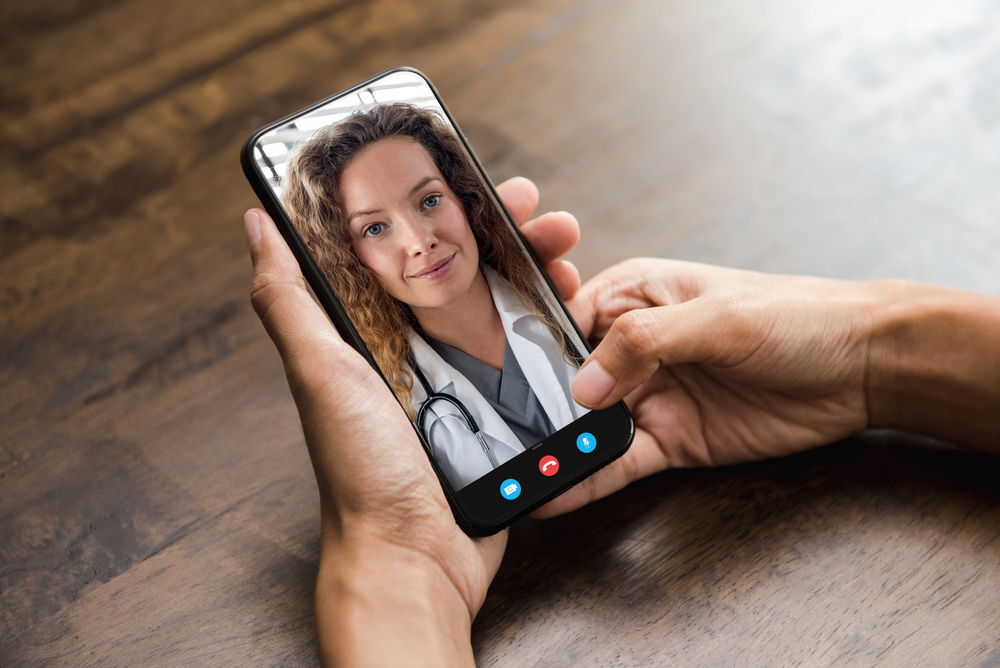
That is the real shift telemedicine brings to adult healthcare. Instead of rearranging your entire schedule to sit in traffic, park, check in, and wait, virtual care lets you connect with a licensed provider from home, the office, or wherever life happens. Research suggests telemedicine can improve access, reduce barriers to care, and make appointments more likely to happen in the first place.
For adults trying to stay proactive about their health, that flexibility matters. Routine care becomes easier to keep up with. Follow-ups stop feeling like a logistical project. And for people managing ongoing conditions, more consistent touchpoints can support better continuity and better day-to-day health management.
How Telemedicine Is Changing Adult Healthcare
Modern telemedicine is more than a quick video call. It gives adults a more practical way to stay engaged with preventive care, chronic condition support, medication oversight, and follow-up treatment without the usual disruption to work and daily life.
Mobile Care Health’s Telehealth Medical Care Plan is built around that model. According to the plan page, it provides access to licensed medical providers through a secure telehealth platform for preventive care, diagnosis, treatment, follow-up visits, chronic condition management, prescription oversight, and provider-ordered diagnostic testing when clinically appropriate.
That matters because convenience alone is not enough. Care still has to be clinically useful. A large JAMA Network Open study found telemedicine exposure in primary care was associated with better performance or no difference in 13 of 16 quality comparisons, suggesting virtual care can meaningfully augment traditional care delivery.
Where the HRA Plan Fits In
For employers, the practical advantage of Mobile Care Health’s plan is that it is specifically positioned for employer benefit use.
The Telehealth Medical Care Plan (HRA/HSA Eligible) is an employer-ready telehealth medical plan designed to support employer-sponsored Health Reimbursement Arrangement (HRA) programs. Services may qualify as medical care under Internal Revenue Code Section 213(d), and itemized invoices for medical services may be available upon request to help with reimbursement submissions. At the same time, reimbursement is determined by the individual’s benefits administrator, and Mobile Care Health does not guarantee reimbursement.
That makes the plan especially relevant for adults who want more predictable access to medical care while using employer-funded benefits, high-deductible health plans, or benefit structures for remote teams and independent contractors. The plan may be used alongside employer health plans and with employer-funded HRA programs.
What’s Included in Mobile Care Health’s HRA-Eligible Telehealth Plan
Mobile Care Health has two core plan structures:
-
Telehealth Medical Access Plan — $199 per employee per month
Includes an annual virtual exam, two routine visits per year, and two telehealth urgent care calls per year. -
Telehealth Primary Care Plan — $299 per employee per month
Includes an annual virtual exam, four routine visits per year, four clinician-directed lifestyle counseling visits, a sleep evaluation consultation, eight telehealth urgent care calls per year, and bi-monthly follow-up visits.
When clinically appropriate, providers may also order diagnostic services such as routine lab testing, metabolic and cardiovascular risk assessment testing, and hormone or endocrine testing. Mobile Care Health also notes that remote patient monitoring may be available for metrics such as blood pressure, body weight, heart rate, and sleep, but approved connected devices are required and billed separately.
It is also important to keep the reimbursement language clear. The plan page says certain non-medical items or services, such as wellness or lifestyle coaching, consumer health devices, supplements, discounts on elective treatments, and specialty wellness programs, may be offered separately and may not qualify as reimbursable medical expenses under IRS guidelines.
Why Virtual Care Works So Well for Busy Adults
The appeal of telemedicine is simple: it fits real life better.
A virtual visit can happen before your first meeting, during a break in your day, or from home after work. That kind of flexibility helps remove some of the biggest reasons adults delay care in the first place. In one cohort study of 87,376 matched appointments, telemedicine visits had a completion rate of 73.4% versus 64.2% for in-person visits, with 64% higher adjusted odds of completion.
For adults managing blood pressure, weight, metabolic concerns, sleep issues, or other ongoing health needs, telemedicine can also make it easier to stay consistent with follow-up care rather than waiting until a small issue becomes a bigger one. Evidence from systematic reviews suggests that telehealth can improve access, support chronic disease management, and improve some quality-of-life and clinical outcomes.
Quick Tips for Your First Telemedicine Visit
A great virtual visit starts with a little preparation.
Choose a private space where you can speak comfortably and control who hears the conversation. Turn off nearby devices that might overhear or record information, such as smart speakers or home security devices.
Use your personal phone, tablet, or computer whenever possible instead of a public or workplace device or network. Before your appointment, install software updates, use strong passwords, and have your medication list, recent results, and key questions ready. Those small steps can make the visit smoother and help protect your privacy.
Frequently Asked Questions
Is telemedicine effective for adults?
For many routine and ongoing care needs, yes. Large health-system research found telemedicine exposure in primary care was associated with comparable or better performance on most quality measures reviewed, and broader reviews suggest telehealth can improve access, satisfaction, and some chronic disease outcomes.
What types of services can be handled through Mobile Care Health’s plan?
According to the plan page, services may include preventive evaluations, diagnosis and treatment of acute issues, chronic disease management consultations, follow-up visits, medication management, weight management, women’s and men’s hormone replacement, peptides, prescription review, health monitoring consultations, and provider-ordered diagnostic testing when clinically appropriate.
Can this plan be reimbursed through an HRA?
Potentially. Mobile Care Health says certain services may qualify as medical care under IRC Section 213(d), and itemized invoices may be available upon request for reimbursement submissions. However, eligibility depends on the member’s employer benefit design and HRA, HSA, or FSA administrator, and reimbursement is not guaranteed.
How private are telemedicine visits?
Telehealth appointments, messages, and related health and billing information are generally protected under HIPAA when provided by covered healthcare providers using compliant platforms. HHS also recommends practical privacy steps such as using a private location, a personal device, and secure passwords.
Experience More Flexible Healthcare with Mobile Care Health
Healthcare should not feel harder to access just because your schedule is full.
Telemedicine gives adults a more practical way to stay connected to care, and Mobile Care Health’s Telehealth Medical Care Plan (HRA/HSA Eligible) adds a valuable employer-benefit layer for people who want a clearer path to reimbursement through an HRA, HSA, or FSA when eligible. With licensed providers, structured plan options, optional remote monitoring, and employer-ready design, it offers a more flexible approach to ongoing medical care.
For adults looking for comprehensive telehealth care without HRA/HSA restrictions, Mobile Care Health offers plans that include traditional and functional medicine.
Experience Smarter, Simpler Healthcare with Mobile Care Health
Telemedicine has fundamentally changed how patients approach healthcare, making quality care accessible on your terms. The ability to connect with providers virtually while managing your daily responsibilities represents a significant shift toward patient-centered wellness that actually works for busy parents.
Mobile Care Health’s telemedicine platform furthers this innovation with its holistic approach to virtual care. Their services include chronic care management, weight management, and longevity medicine, all designed around your unique needs.
With 24/7 access to care, biometric monitoring tools delivered directly to you, and personalized treatment plans outside traditional insurance limitations, you can experience healthcare that truly adapts to your lifestyle. Ready to discover how virtual care can transform your wellness journey? Explore your options and take the first step toward smarter, simpler healthcare today.