


HGH & Nandrolone

 Mobile Care Health
 February 20, 2022
 0 Comments
Disclaimer:
Some therapies or compounds mentioned in this blog may no longer be offered by Mobile Care Health. We continuously update our services to align with the latest clinical, legal, and LegitScript compliance standards. Any references to products or services that are no longer compliant are for historical or educational context only. Please visit Mobile Care Health or contact our team to confirm current treatment availability.
HGH & Nandrolone
As we age, natural hormone production in our body’s begins to slowly decline. This can cause some not-so-desirable side effects that come with age including decreased muscle mass, fatigue, brain fog, and more. Human Growth Hormone (HGH) and Nandrolone are AASs (Anabolic androgenic steroids). Most of the “bad press” that surrounds the use of AASs is based on the inappropriate, non-physician-directed use of black market AAS products. When prescribed for FDA-approved indications and monitored by a physician, HGH and nandrolone may benefit certain patients. However, these therapies carry risks and are only appropriate for specific diagnosed conditions. They are not general anti-aging treatments, and use must be under strict medical supervision.
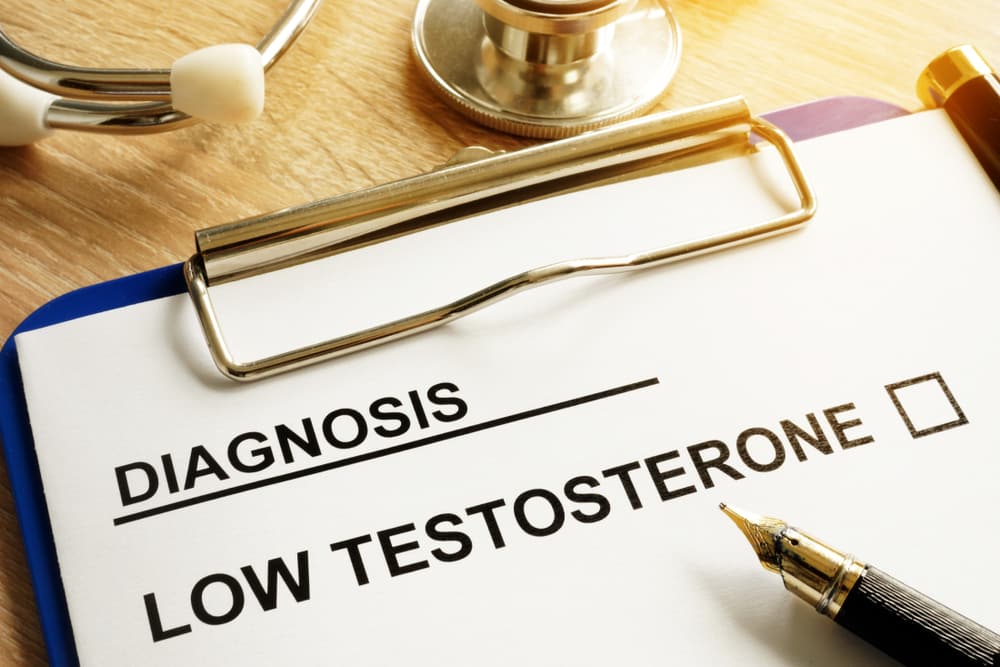
Hypogonadism, is the inadequate production of Testosterone. This is associated with dyslipidemia, atherosclerosis, cardiovascular disease, metabolic syndrome, and diabetes, among others. Testosterone Replacement Therapy (TRT) in hypogonadal men improves these risk factors. TRT leads to resolution of their hormonal imbalance and the related symptoms. Indeed, an increase in lean body mass and muscle mass with the systemic administration of nandrolone could improve body composition and augment testosterone’s effects when closely monitored by a physician. HGH and nandrolone have been explored adjectively in certain cases, but they are not FDA-approved treatments for age-related hypogonadism. Testosterone therapy is the medically accepted primary treatment for true hypogonadism.

What is HGH?
HGH is critical in growth and metabolism; levels decline with age, which can affect body composition and energy. HGH therapy is only indicated for specific deficiencies – it is not approved as an anti-aging or general wellness treatment. HGH plays a crucial role in development and maintenance, yet men in their 40’s produce about half the amount of men in their 20’s. Still, that small amount is critical for the maintenance of skeletal and muscular systems. Loss of HGH leads to muscle wasting, fatigue, low energy, loss of libido and general deconditioning.
What is Nandrolone?
Nandrolone is an anabolic steroid, which are a group of chemically related structures derived from the male sex hormone testosterone. It is developed primarily to combat muscle wasting medical conditions, but recently attention has shifted to its capabilities for hormone rebalancing therapies. It has been used as a viable treatment option for patients recovering from orthopedic surgeries such as joint replacement and repair surgeries.
How Does HGH Work?
Every night when you sleep, a kidney-bean-sized gland in your brain called the pituitary gland secretes HGH and various other important hormones. HGH is a polypeptide consisting of 191 amino acids. It act as a chemical messenger throughout the body, triggering the growth and destruction of bone, fat, and muscle cells, among other activities.
HGH then flows into your bloodstream and binds to specific cell-surface receptors found throughout your body. These receptors are in dense clusters in the brain. From here they travel to areas with various receptors and trigger growth throughout the body. HGH binds to fat cells, triggering a cascade of activity. This results in the breakdown of the fat cell to be useful for other processes that require fat as a catalyst. It also plays a role in fat loss through its ability to aid in insulin production, an anabolic hormone that facilitates the uptake of sugar in the blood and inhibits the breakdown of proteins.
Nandrolone Therapy
Historically, nandrolone has been widely recognized for its misuse in athletic and bodybuilding settings, which has contributed to misconceptions about its role in legitimate medical care. In clinical medicine, however, nandrolone is a prescription anabolic agent that has been studied for specific therapeutic uses under physician supervision.
In appropriate patients, nandrolone may be prescribed as part of a carefully monitored treatment plan to support lean body mass maintenance, musculoskeletal health, or recovery in the setting of certain medical conditions. Any potential effects on muscle tissue, joint comfort, or physical function vary by individual and depend on dosing, duration, underlying health status, and concurrent therapies. Nandrolone is not FDA-approved for cosmetic, performance-enhancing, or bodybuilding purposes, and its use requires individualized risk-benefit assessment by a licensed healthcare provider.
When nandrolone is prescribed, clinicians may consider concurrent therapies, including testosterone, based on laboratory findings and clinical judgment. Combination therapy, dosing ratios, and monitoring protocols are determined by the treating provider and are intended to reduce potential adverse effects and maintain hormonal balance. No outcomes are guaranteed, and treatment decisions are made on a case-by-case basis.
Who May Be Evaluated for HGH and Nandrolone Therapy?
Patients may be considered for evaluation by a licensed medical provider if they fall into one or more of the following categories:
-
Individuals recovering from orthopedic procedures (such as shoulder, knee, or tendon repairs) where muscle loss or prolonged immobility is a concern
-
Patients experiencing muscle atrophy related to inactivity, injury, or extended recovery periods
-
Adults with clinically documented, age-related hormonal changes, where standard therapies have been reviewed and deemed appropriate by a provider
All patients must undergo a comprehensive medical evaluation, including history, laboratory testing, and ongoing monitoring. HGH and nandrolone therapies are prescription-only, are not appropriate for everyone, and are not intended to diagnose, treat, cure, or prevent disease outside of approved or clinically justified use.

Testosterone Replacement Therapy (TRT)
If you have experienced fatigue, decreased sex drive, inability to focus, irritability – then TRT/BHRT could be right for you. TRT has many benefits and adding nandrolone into the mix can help to improve the efficacy of the treatment. Nandrolone can help specifically solve muscle-building issues and other symptoms that are a result of Hypogonadism. If you want to combat the negative effects of low testosterone, reach out to your local hormone specialist to find out if Testosterone Replacement Therapy (TRT) is right for you.
Articles on this site are for general education and do not substitute for professional medical advice. Consult our providers for personalized recommendations.