



7 Sleep Apnea Symptoms You Shouldn’t Ignore
 Dr Jacob Weinstein DNP ACNP
 July 21, 2025
 0 Comments
Key Takeaways
- Sleep apnea is a common yet often undiagnosed sleep disorder that disrupts breathing and can significantly impact health and well-being.
- Early recognition and treatment of sleep apnea symptoms can prevent serious complications such as cardiovascular disease and cognitive decline.
- Mobile Care Health provides personalized and innovative care solutions, including advanced sleep monitoring and telehealth services, ensuring patients receive tailored treatment for improved sleep and overall health.
Snoring isn’t just a nuisance; it could be a warning sign of a serious underlying health condition: sleep apnea. This common yet often undiagnosed disorder disrupts your breathing repeatedly throughout the night, leading to far more than just a restless night’s sleep.
From persistent daytime fatigue and morning headaches to mood changes and difficulty concentrating, the symptoms of sleep apnea can significantly impact your daily life and long-term health. Ignoring these signs can lead to severe complications, including cardiovascular disease and cognitive decline.
What is sleep apnea?
Sleep apnea is a potentially serious sleep disorder in which breathing repeatedly stops and starts during sleep. These pauses can happen dozens or even hundreds of times each night without your awareness.
There are two main types of sleep apnea:
- Obstructive Sleep Apnea (OSA): Caused by a blockage in the upper airway, usually when soft tissue collapses during sleep.
- Central Sleep Apnea: A less common form where the brain fails to send proper signals to the muscles controlling breathing.
The effects of untreated sleep apnea go beyond poor rest. They can lead to high blood pressure, heart disease, stroke, diabetes, weight gain, and even accidents due to fatigue. That’s why catching the signs early and getting help is critical.
7 symptoms of sleep apnea
Here are 7 symptoms of sleep apnea you shouldn’t brush off:
1. Loud, persistent snoring, more than just a nuisance
Everyone snores from time to time. But if your snoring is loud, frequent, and disruptive, it could be a red flag for obstructive sleep apnea.
Why it matters:
Snoring occurs when air flow is partially blocked in the back of the throat. In sleep apnea, this blockage becomes severe enough to stop breathing altogether. The louder and more regular the snoring, the more likely it’s tied to a structural airway issue rather than just sleeping position or nasal congestion.
What to look for:
- Snoring that disrupts your partner’s sleep
- Snoring followed by pauses in breathing
- Gasping, choking, or snorting sounds during the night
Pro tip: If your partner complains about your snoring, listen. It might not just be annoying but a sign of something more serious.
2. Waking up gasping or choking, your body’s alarm bell
Waking up gasping for air or feeling like you’re choking isn’t just scary; it’s your body’s emergency response to a blocked airway.
Why it matters:
These episodes often mean your brain has detected low oxygen levels and is jolting you awake to resume breathing. That constant “alarm” cycle prevents you from getting deep, restorative sleep and stresses your cardiovascular system.
What to look for:
- Sudden awakenings with a sense of panic
- A dry mouth or sore throat upon waking
- Increased heart rate or anxiety at night
This is one of the most serious warning signs of sleep apnea and should never be ignored. If you’re frequently waking up like this, it’s time to seek medical guidance.
3. Persistent daytime fatigue, when rest isn’t refreshing
Do you wake up as tired as when you went to bed? Do you struggle to stay awake during meetings or while driving? These may be signs that your sleep is being severely disrupted.
Why it matters:
Sleep apnea interrupts your sleep cycles repeatedly throughout the night, even if you don’t fully wake up. That means your brain and body never get the rest they need. Over time, this leads to chronic sleep deprivation, which affects everything from your immune system to your reaction time.
What to look for:
- Falling asleep at inappropriate times (e.g., while watching TV, at your desk, or behind the wheel)
- Needing multiple cups of coffee just to function
- Feeling groggy and mentally foggy all day
Daytime sleepiness from untreated apnea can increase the risk of accidents, reduce quality of life, and impact job performance. It’s not just about being tired; it’s about your safety and health.
4. Morning headaches, an overlooked warning sign
Waking up with a pounding headache isn’t just an annoyance; it could signal that your oxygen levels dropped during the night.
Why it matters:
Frequent apneic episodes reduce the amount of oxygen delivered to your brain. As your body struggles to compensate, blood vessels may dilate and increase pressure inside your skull, leading to headaches. These typically ease up after an hour or two but can recur daily.
What to look for:
- Dull, pressing pain across your temples or forehead
- Accompanying symptoms like dry mouth or grogginess
- Headaches that improve as the day goes on
Morning headaches are often misattributed to stress, dehydration, or bad posture, but when they’re paired with other sleep-related symptoms, sleep apnea could be the culprit.
5. Restless, disrupted sleep, tossing and turning all night
If you or your partner notice that you’re constantly shifting positions or waking up multiple times a night, sleep apnea may be to blame.
Why it matters:
Whether you’re aware of them or not, frequent arousals from sleep prevent you from reaching the deeper, most restorative stages of sleep. You may toss and turn trying to find a position that keeps your airway open or awaken briefly each time your breathing stops.
What to look for:
- Kicking off the blankets or frequent position changes
- Night sweats or overheating
- Waking up feeling disoriented or not remembering dreams
This kind of sleep fragmentation makes your rest inefficient and can leave you exhausted, even after 8 hours in bed.
6. Trouble concentrating or forgetfulness, brain fog from poor sleep
Are you misplacing your keys, struggling with simple decisions, or forgetting names more often? Sleep apnea may be interfering with your brain function.
Why it matters:
Your brain relies on quality sleep to consolidate memories, regulate emotions, and maintain attention. Chronic sleep interruptions caused by apnea impair cognitive performance, sometimes mimicking symptoms of ADHD or even early dementia.
What to look for:
- Difficulty focusing on tasks
- Slower reaction times
- Trouble following conversations or instructions
If your mind feels sluggish and no amount of coffee helps, it’s time to consider whether your sleep quality is affecting your mental clarity.
7. Mood changes and irritability, when sleep affects your emotions
Sleep isn’t just a physical recharge; it’s crucial for emotional regulation. Poor sleep from apnea can leave you feeling irritable, anxious, or even depressed.
Why it matters:
Disrupted sleep interferes with neurotransmitters that help manage your mood, such as serotonin and dopamine. It also heightens your stress response, making minor frustrations feel overwhelming.
What to look for:
- Feeling more impatient or snappier than usual
- Reduced interest in activities you usually enjoy
- Heightened anxiety or low mood without an apparent reason
Many people being treated for depression or anxiety find that their symptoms improve dramatically once sleep apnea is diagnosed and treated.
What you can do: don’t wait to get help
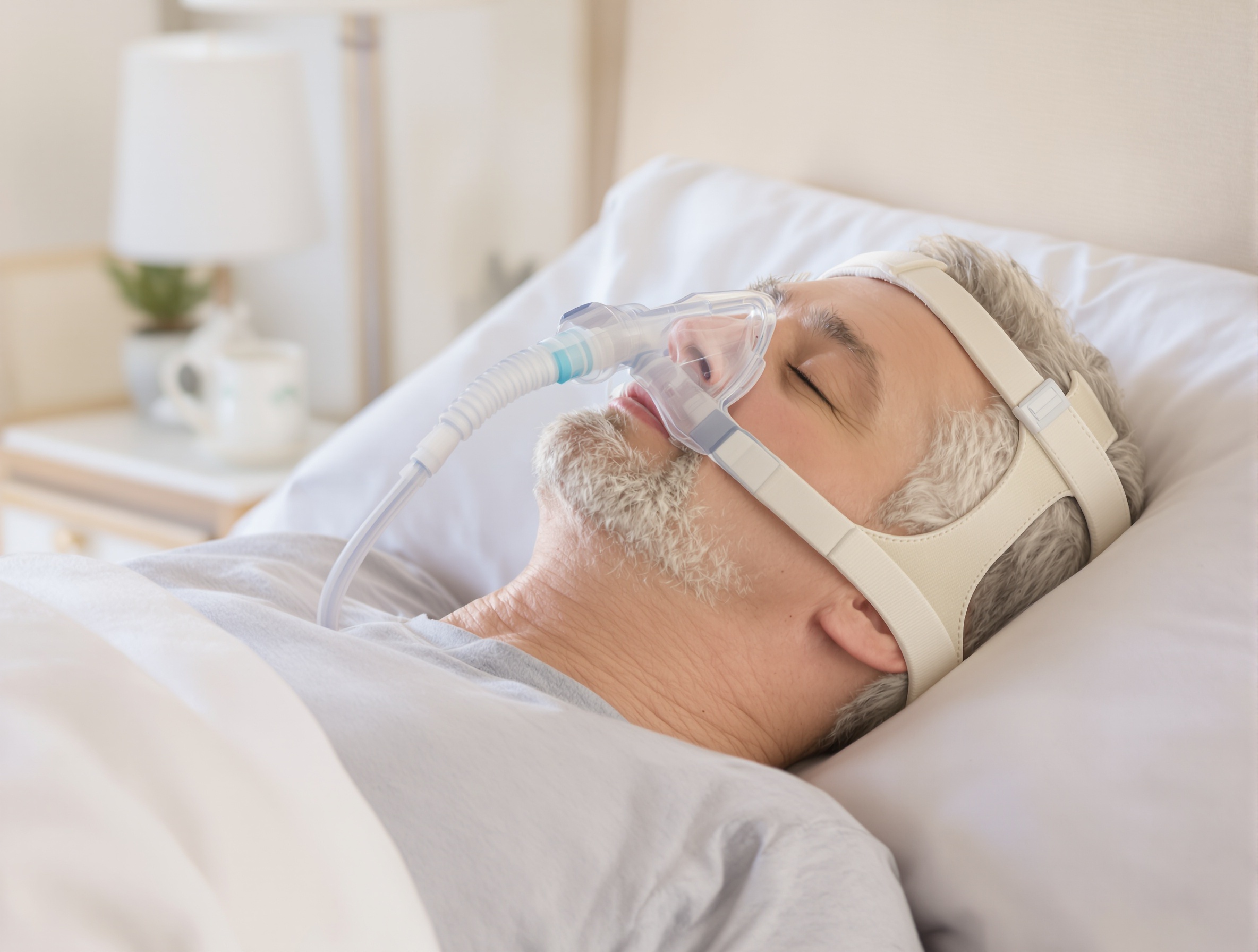
If you recognize one or more of these symptoms, don’t wait to bring them up with a healthcare professional. Sleep apnea isn’t something to “power through.” It requires a proper diagnosis, often via a sleep study, and treatment options can vary from lifestyle changes to devices like CPAP machines.
At Mobile Care Health, we’re committed to making proactive healthcare more accessible, especially for often-overlooked conditions like sleep apnea. Whether you’re noticing early warning signs or managing a chronic sleep issue, our mobile health professionals are here to support you with convenient, personalized care from the comfort of your home.
We’ll help you:
- Arrange a diagnostic sleep evaluation
- Understand your treatment options
- Monitor your progress and adjust care as needed.
Better sleep doesn’t just mean more energy; it means a longer, healthier life.
Frequently asked questions (FAQs)
You’re not alone in wondering about sleep apnea symptoms. Let’s address the questions we often hear from our patients, providing straightforward answers to help you understand your next steps toward better sleep.
What’s the best first step if I think I have sleep apnea?
Keep a simple sleep diary for a week, noting how you feel upon waking and throughout the day. Talk with a sleep specialist about what you’re experiencing; they’ll help you understand your symptoms and create a personal plan for better rest.
I’m worried about using sleep equipment – what’s treatment really like?
Many patients share this concern, but modern sleep treatments are comfortable and easily adjustable. Our sleep specialists work closely with you to find the right solution, and most people feel remarkably better within days of starting treatment.
How can I tell if my sleep troubles are sleep apnea?
While occasional sleep difficulties happen to everyone, sleep apnea creates distinct signs – like morning headaches, daytime drowsiness, and breathing pauses that partners often notice. A sleep evaluation can provide clear answers about what’s affecting your rest.
What’s involved in getting diagnosed?
After an initial consultation, you might qualify for a comfortable home sleep study that tracks your nighttime rest. These simple-to-use devices monitor your breathing and sleep quality while resting in bed. Your sleep specialist will review the results to create a tailored treatment plan.
How soon can I expect to feel better with treatment?
Many people notice positive changes in their energy and mood within the first few days of treatment. As shared by our patients, consistent use leads to feeling more refreshed, focused, and energetic during the day.
Ready to sleep better? Let Mobile Care Health help you take the next step
Sleep apnea may be sneaky, but its symptoms are loud and clear if you know what to look for. From persistent snoring to mood swings and brain fog, these signs are your body’s way of waving a red flag. The sooner you act, the better your chances of avoiding serious complications.
And remember, you don’t have to do it alone. Mobile Care Health is here to bring expert care directly to you, removing barriers and helping you reclaim your health, one good night’s sleep at a time.
Articles on this site are for general education and do not substitute for professional medical advice. Consult our providers for personalized recommendations